

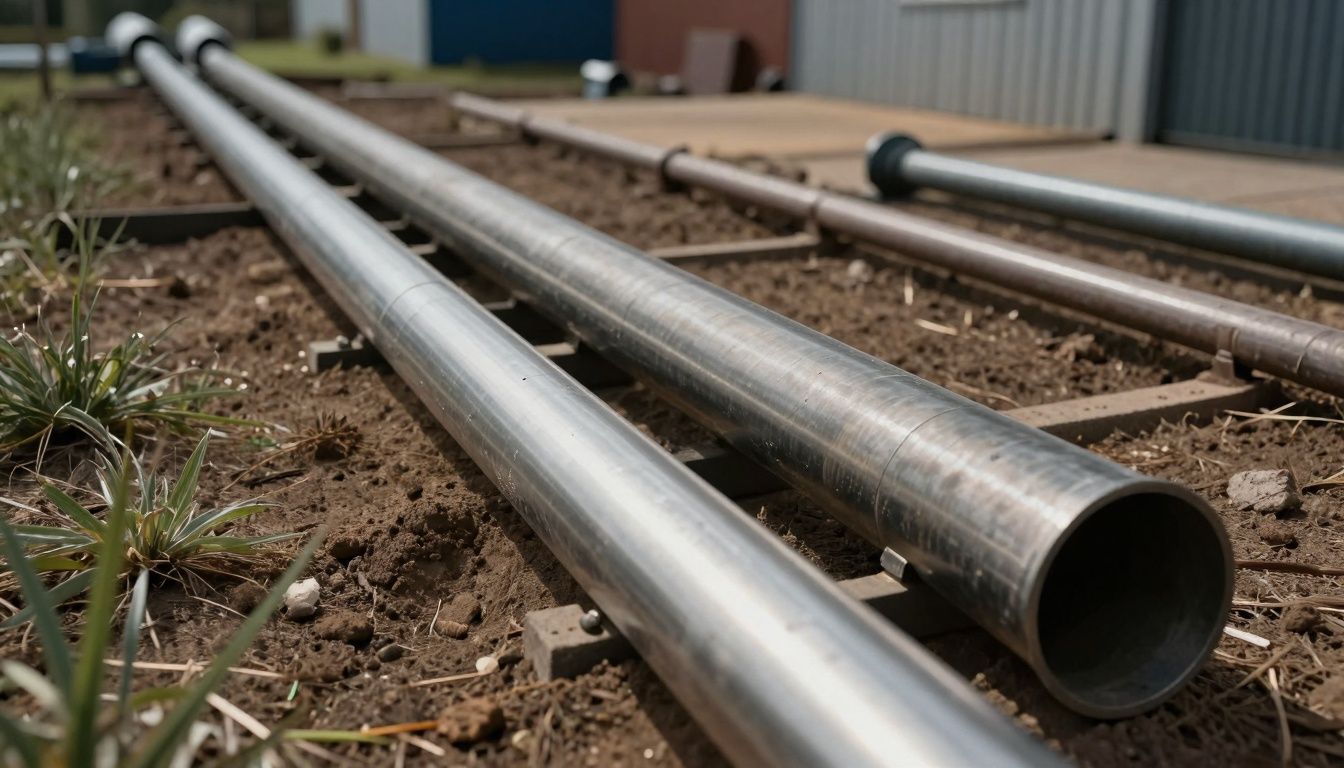
Why choose Stainless Steel by Paige Stainless?
Paige Stainless Australian made stainless steel drainage channels outclass vitrified clay/ceramic for performance, safety, and long-term value, with up to 70% lower maintenance costs and unrivalled durability in harsh Australian environments. Backed by outstanding corrosion resistance and a GreenTag sustainability rating, stainless steel provides proven lifecycle savings and environmental stewardship.
A growing number of architects, developers and trades across Australia are switching from vitrified clay / ceramic to Stainless Steel by Paige Stainless for their drain channels!
With heightened performance demands in civic, hospitality, transport, and marine sectors, leading architects and contractors are favouring stainless steel channels for their superior slip resistance, greater load ratings, precise installation geometries, and sustainability credentials. Iconic precincts and infrastructure upgrades now regularly select Paige Stainless for reliability and visual appeal.
What makes Stainless Steel drainage channels manufactured in Australia by Paige Stainless better?
- Each channel is precision-fabricated in Australia for fast, accurate installation and bespoke fit.
- Industry-leading slip resistance and pedestrian-friendly heelguard grating minimise injury risk, even in wet areas.
- Engineered for strength and longevity under commercial and public infrastructure loads.
- Designed for minimal maintenance, with outstanding corrosion and chemical resistance—even in coastal or heavy-traffic locations.
- Fully customisable to any curve, angle, or finish, supporting architectural vision and site-specific needs.
- Independently certified GreenTag rating, maximising environmental credentials and recyclability.
Head-to-head comparison: key factors
| Criteria | Stainless Steel | Vitrified Clay / Ceramic |
|---|---|---|
| Weight and handling | Lightweight for easy handling; less manual risk | Heavy, brittle, requires machinery and care |
| Installation | Modular, precise, easy to install and adjust | Fragile, complex cutting, labour-intensive |
| Cutting/processing safety | Minimal dust, safer tools, no silica risk | High silica dust exposure, requires specialist PPE |
| Durability and longevity | 50+ years in most conditions | Susceptible to cracking, shorter lifespan |
| Corrosion resistance | Outstanding—resists even saline and chemical | Sensitive to chemical erosion and acids |
| Load capacity and strength | High load capacity—engineered to spec | Prone to cracking under dynamic loads |
| Cost (initial) | Moderate, value-based | Low to moderate, but costs rise with complexity |
| Cost (whole-of-life) | Lower—minimal maintenance | Higher—frequent repairs, higher replacement rate |
| Maintenance | Infrequent, simple, non-intrusive | Regular cleaning and repairs required |
| Environmental impact | Highly recyclable, GreenTag rated | High embodied energy, local emissions, less recyclable |
| Heat and fire resistance | Excellent, non-combustible, retains structural | Good, but can spall/crack under extreme heat |
| Chemical resistance | Excellent against most chemicals | Vulnerable to acids and chemical attack |
| Safety (slip, conductivity) | Slip-resistant designs, safe for pedestrians | Typically smooth, lacks engineered slip resistance |
| Aesthetics and versatility | Customisable, modern, fits curves/angles | Limited shapes, more utilitarian, less visual flexibility |
Stainless Steel Drainage Channels by Paige Stainless
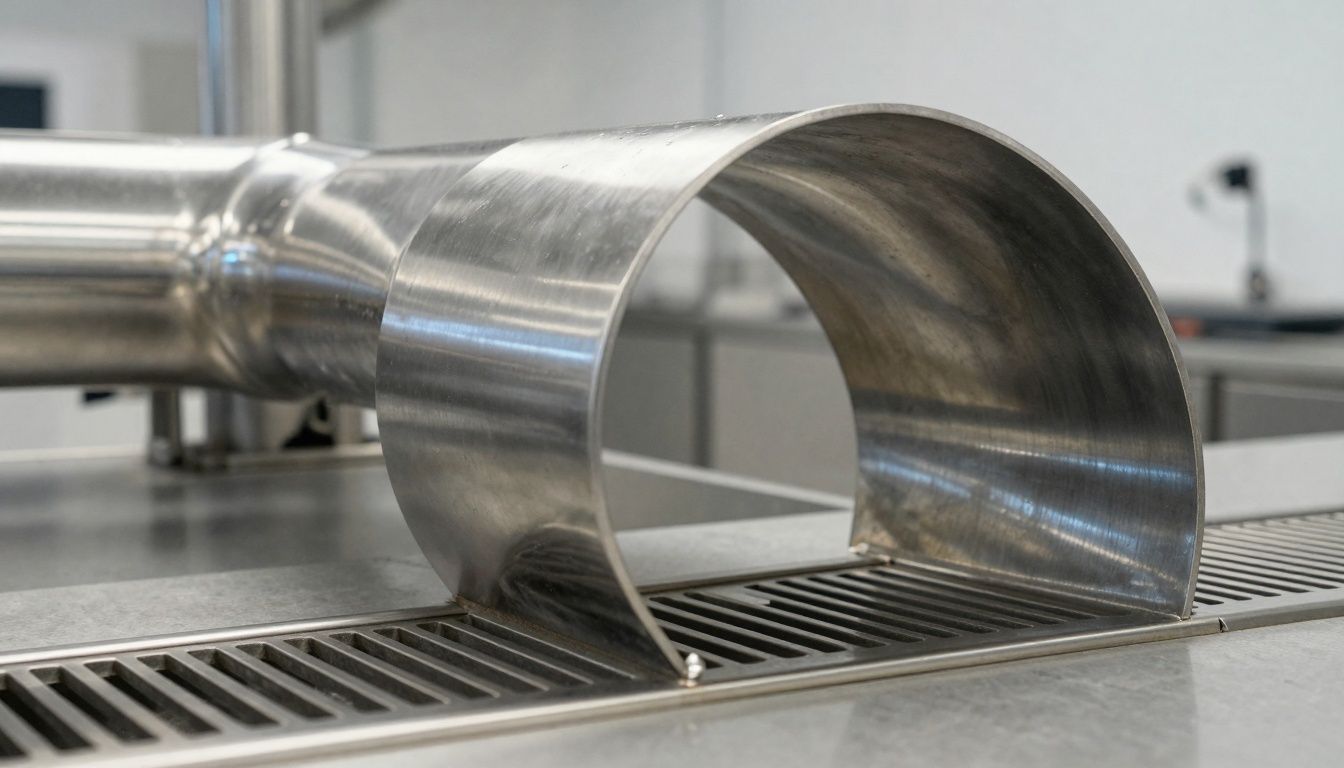
- Applications: Wide use—from civic plazas and marine jetties to commercial kitchens and public infrastructure.
- How they work: Provide efficient, reliable drainage with engineered slopes and profile options for both function and safety.
- Manufacturing: Australian made, laser-cut and fabricated to strict standards, including AS 3996 and AS 4586.
- Environmental Impact: GreenTag certified; high recyclability, low-waste production.
- Installation Process: Precise, modular systems—custom lengths, curves, and features to suit project needs; quick-fit options.
- Features: Heelguard grates, slip-resistant surfacing, anti-corrosion finishes, custom branding.
- Performance: Consistent, high load ratings and durable performance in all climates.
- Lifespan: 50+ years with minimal maintenance.
- Pricing: Competitive upfront; significantly lower whole-of-life costs due to resilience and minimal ongoing work.
Vitrified Clay / Ceramic Drainage Channels
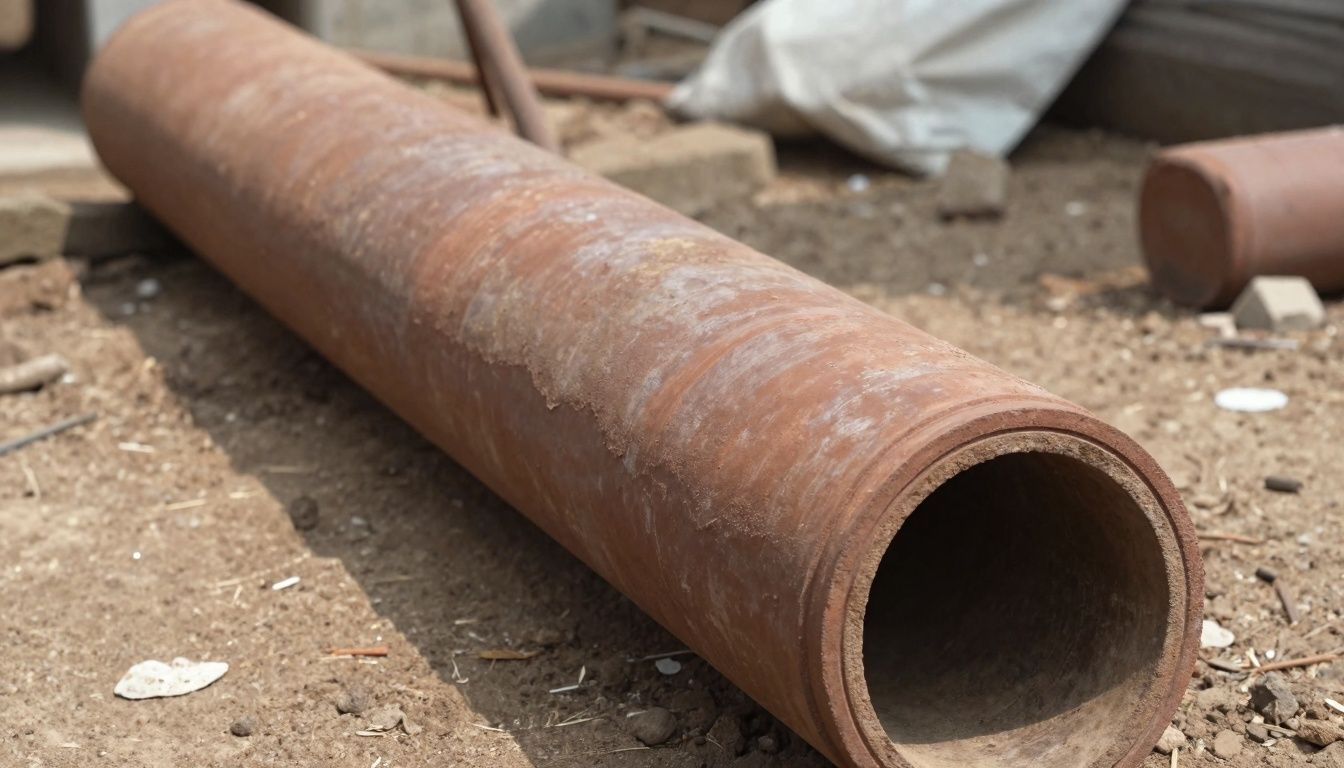
- Applications: Traditionally used in stormwater and some older infrastructure projects.
- How they work: Rely on gravity flow; pre-formed shapes can limit flexibility.
- Manufacturing: Produced by firing clay at high temps—energy-intensive, less precision/consistency.
- Environmental Impact: High embodied energy, not easily recyclable, breakage creates landfill.
- Installation Process: Heavy, fragile; needs careful bedding/support, can delay projects.
- Features: Standardised sizes, limited surface options, usually smooth finish.
- Performance: Prone to fracture, gradual erosion in aggressive/chemical or saline environments.
- Lifespan: Typically less than 30 years in corrosive/traffic-exposed areas.
- Pricing: Lower initial material cost; higher total cost due to repairs, replacement, downtime.
FAQs: Stainless Steel vs Vitrified Clay / Ceramic
- Which material is better for most applications? For demanding and high-profile projects, stainless steel offers far greater longevity, performance, and safety compared to vitrified clay or ceramic, which is best confined to legacy or light-load scenarios.
- Can Stainless Steel by Paige Stainless meet Class D & E load ratings under AS 3996? Yes—Paige Stainless designs and tests grates and channels for compliance with AS 3996, regularly meeting or exceeding Class D–E for commercial and heavy-duty public settings.
- How does slip resistance compare in wet areas? Stainless steel options from Paige Stainless carry certified slip ratings (AS 4586), engineered for maximum safety even in wet, high-traffic environments, unlike typical smooth ceramic which can become hazardous.
- What are the maintenance requirements over a 10–20 year lifecycle? Stainless steel systems require only occasional cleaning and inspection; no major repairs. Ceramic channels often face grout, crack and erosion issues, needing frequent intervention.
- Is Stainless Steel suitable for custom design like curves and architectural details? Yes—Paige Stainless specialises in custom fabrication, accurately producing curves, angles, and bespoke geometries to suit even the most ambitious architectural projects.
Ready to specify Stainless Steel?
For technical guidance, project pricing or custom fabrication support—including bespoke curved drainage channels—contact the Paige Stainless team for Australian-made solutions that deliver unrivalled durability, compliance, and design flexibility.
- Technical data and certifications available on request (AS 3996 load classes, slip resistance to AS 4586, accessibility to AS 1428.2, and sustainability credentials)