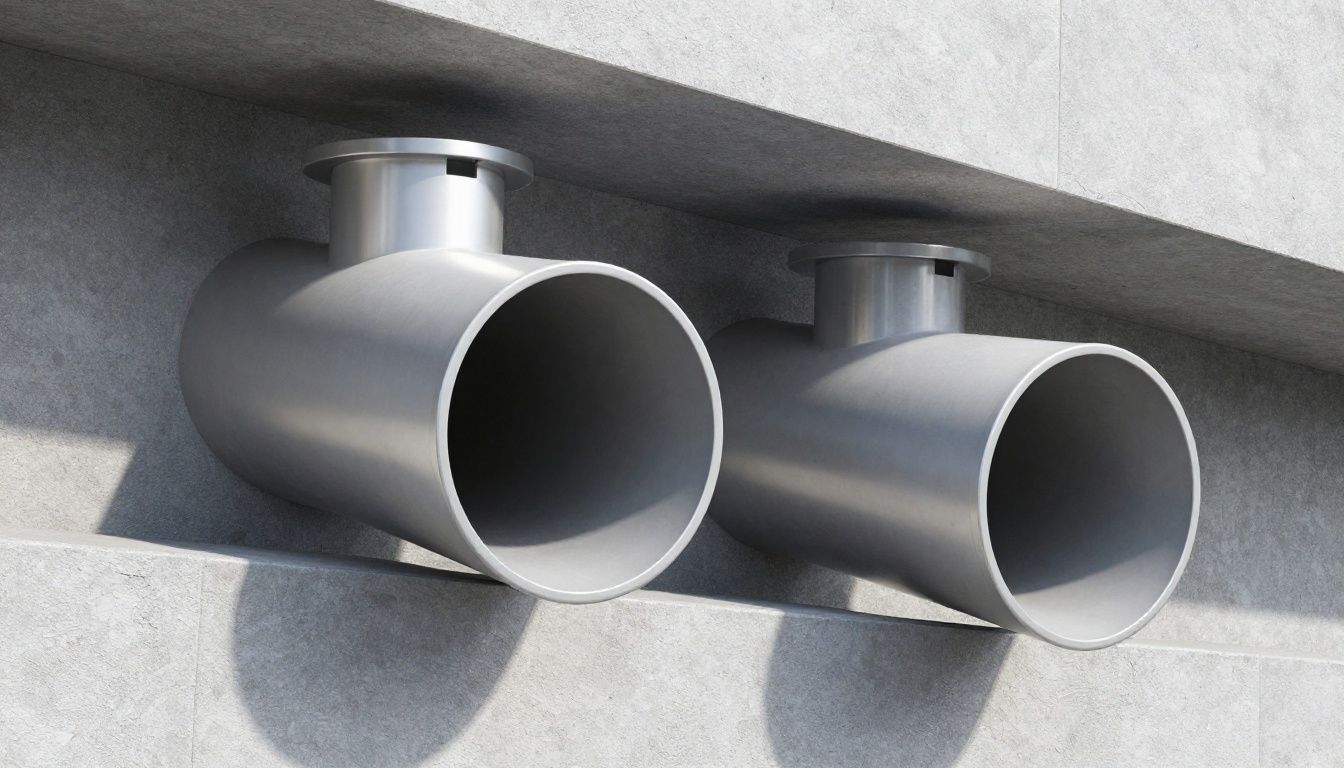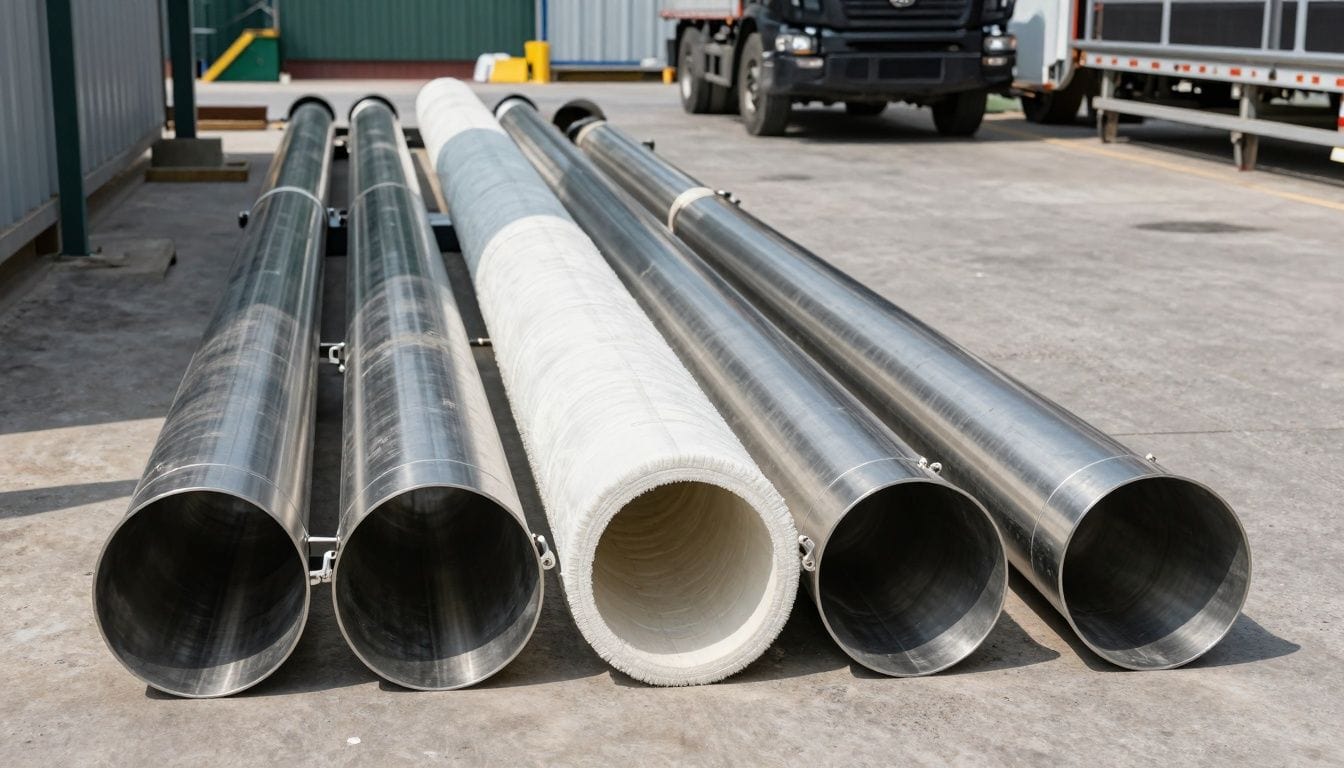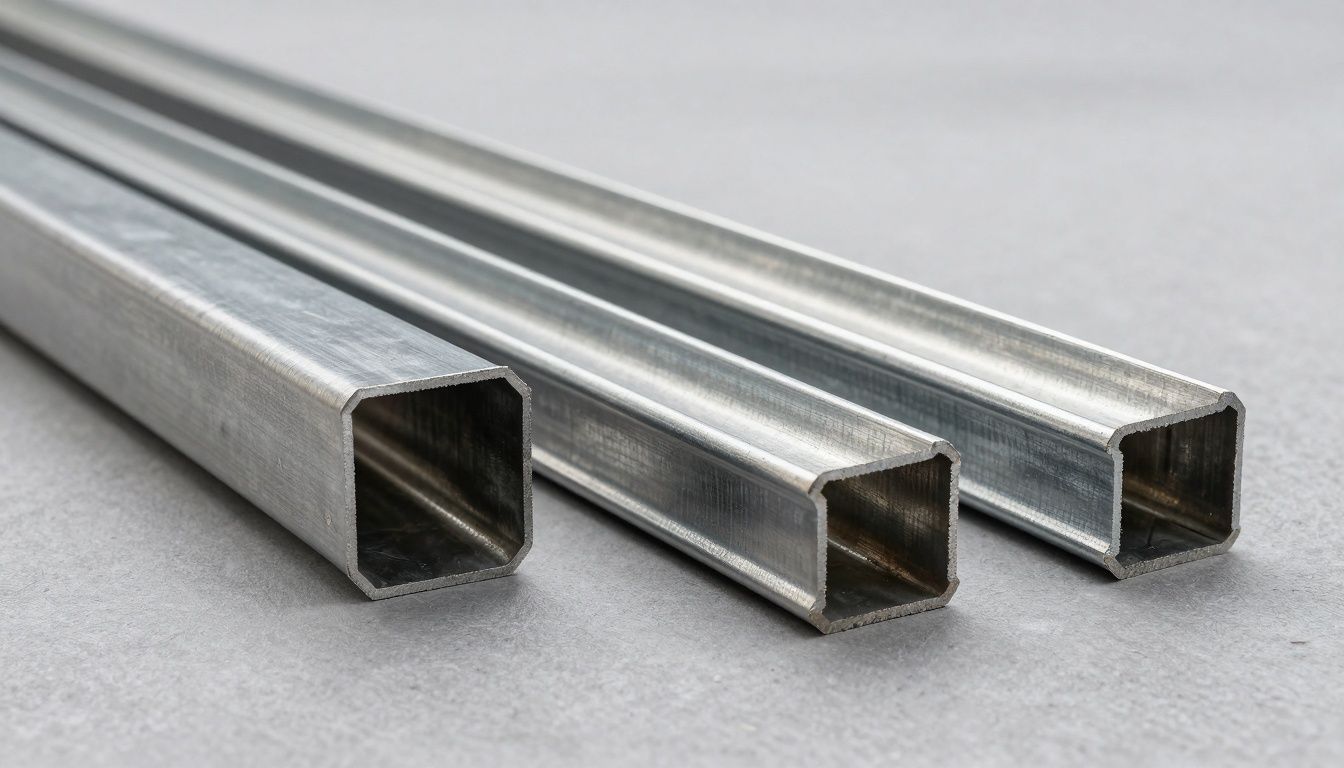


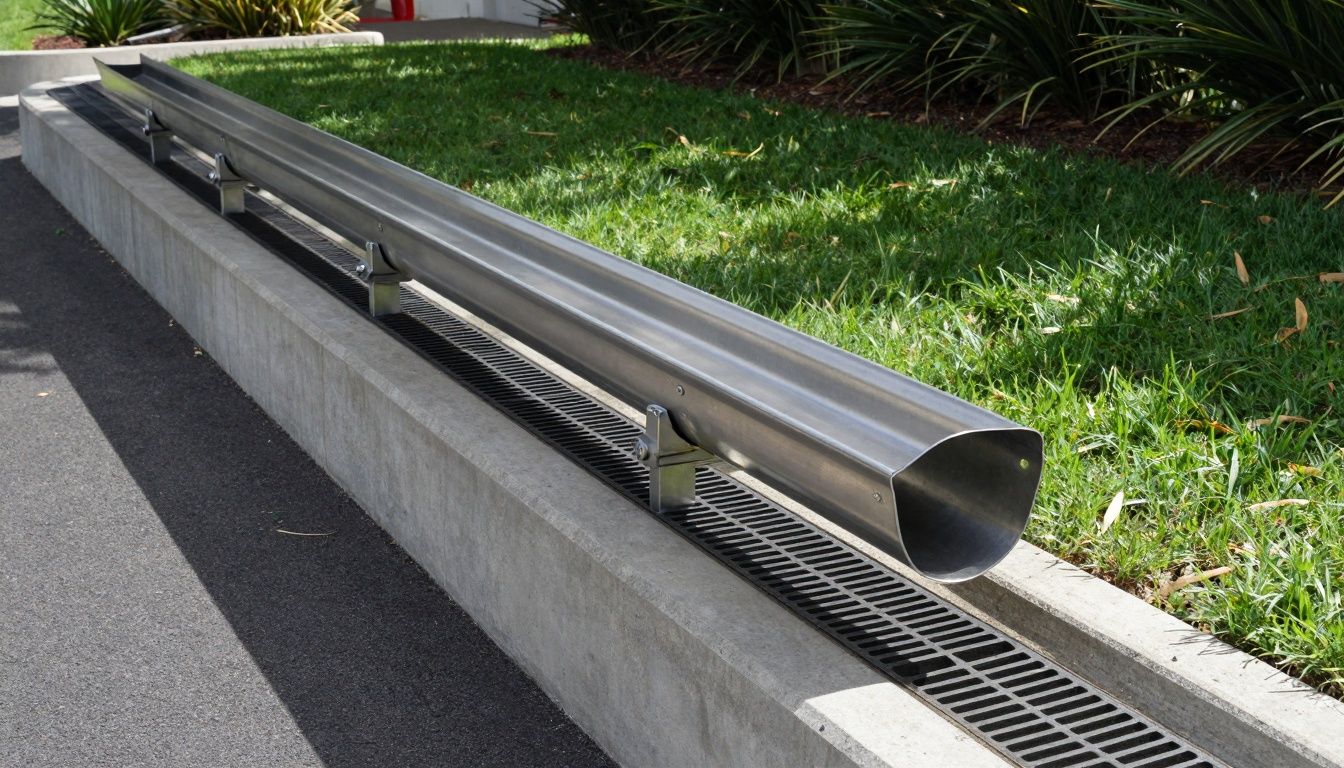
Why choose Stainless Steel by Paige Stainless?
Paige Stainless’ Australian-made stainless steel drainage channels deliver superior performance, safety, outstanding environmental sustainability, and unmatched lifecycle value—delivering lower whole-of-life cost thanks to unrivalled durability, low maintenance, and up to 50-year service life in demanding conditions.
A growing number of architects, developers and trades across Australia are switching from Polymer Concrete to Stainless Steel by Paige Stainless for their drain channels!
From civic plazas to five-star hospitality and marine projects, the trend is clear: Stainless steel channels are rapidly replacing polymer concrete in high-profile applications due to their class-leading slip resistance, high load ratings, architectural flexibility, and robust sustainability credentials. Major infrastructure, urban landscape, and coastal builds now favour Paige Stainless.
What makes Stainless Steel drainage channels manufactured in Australia by Paige Stainless better?
- Precision fabrication ensures rapid, easy installation and flawless, reliable fit every time.
- Exceptional slip resistance and safe pedestrian-friendly profiles, such as heel guard grating, minimise risk.
- Strength and longevity withstand Australia’s harshest urban, commercial, and marine environments.
- Minimal maintenance thanks to high corrosion resistance, limiting costly interventions.
- Customisable designs—any length, curve, or angle—for unmatched architectural flexibility and continuity.
- Industry-leading environmental standards and Greentag certification support green building goals.
Head-to-head comparison: key factors
| Criteria | Stainless Steel | Polymer Concrete |
|---|---|---|
| Weight and handling | Lightweight, easier for site transport and handling | Heavier, can require lifting equipment and extra labour |
| Installation | Precision prefabrication for quick, accurate fits | May require trimming, complex joints, and longer install times |
| Cutting/processing safety | Safer with correct tools, minimal dust/fumes | Cutting releases silica-containing dust, health hazards |
| Durability and longevity | 50+ years, minimal wear or degradation | Can degrade/crack over time (UV, impact), lifespan usually 20–30 years |
| Corrosion resistance | Outstanding in all environments, incl. coastal | Prone to chemical attack, especially acids |
| Load capacity and strength | Engineered for heavy loads; AS3996 up to Class D+ | High but less consistent; can suffer impact failures |
| Cost (initial) | Higher upfront | Lower initial outlay |
| Cost (whole-of-life) | Much lower due to no major repair/replacement req. | Higher—prone to damage, infill replacement, resealing |
| Maintenance | Minimal—simple periodic cleaning | Requires resealing, patching, potential replacement |
| Environmental impact | Recyclable, Greentag rated, lower embodied carbon | High embodied energy, limited recycling, landfill |
| Heat and fire resistance | Excellent—doesn’t burn or degrade | Can deform or crack under high heat or fire |
| Chemical resistance | Excellent—especially 316 marine grade | Poor with acids and aggressive agents |
| Safety (slip, conductivity) | Slip-resistant grates, heel safe, lower fire risk | Grates may be slippery when wet, higher trip risk |
| Aesthetics and versatility | Sleek, architecturally customisable, seamless | Limited shapes/finishes, visible joins, less attractive |
Stainless Steel Drainage Channels by Paige Stainless
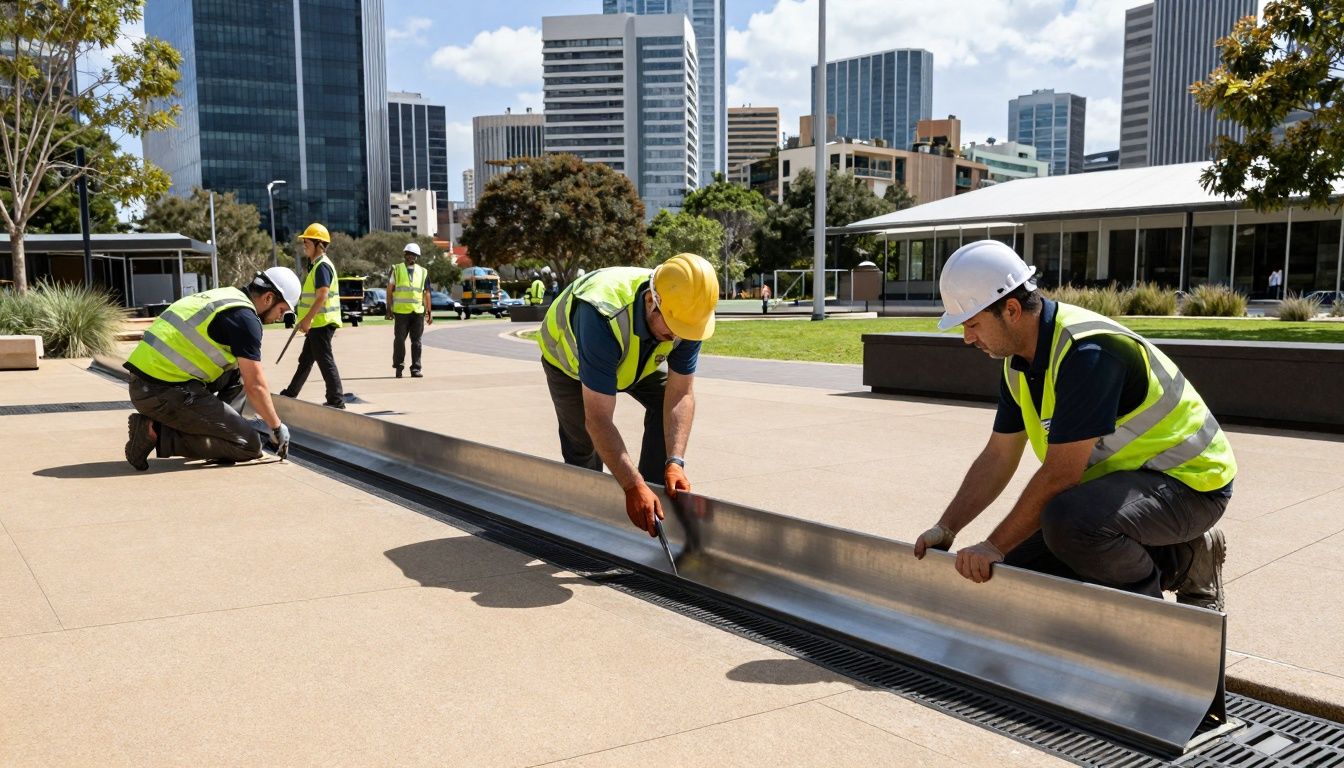
- What they do: Efficiently collect and convey surface water from paved areas, preventing flooding and slip hazards.
- How they work: Factory-fabricated modules with precision slot or grate inlets, engineered for optimal hydraulic performance and easy debris removal.
- Where they are made: Designed, engineered, and manufactured exclusively in Australia, supporting local industry.
- How they are made: Fabricated from high-grade stainless steel (304 or 316), laser-cut, welded and finished to project requirements (including custom curves/angles).
- Environmental impact: Lifecycle recyclable, low embodied energy, and Greentag certified for green building compliance.
- Installation process: Supplied to exact site measurements for quick, accurate placement; minimal onsite adjustments required.
- Features: Heel guard, slip resistance, tamper proofing, security fasteners, extensive customization (shapes, finish, load rating).
- Performance: Exceptional strength, corrosion resistance, and service life in all conditions—including harsh marine/coastal.
- Lifespan: 50+ years with basic cleaning. No resealing or rehabilitation.
- Pricing: Higher initial; lowest cost over life—no major repairs, replacements, or handling hazards.
Polymer Concrete Drainage Channels
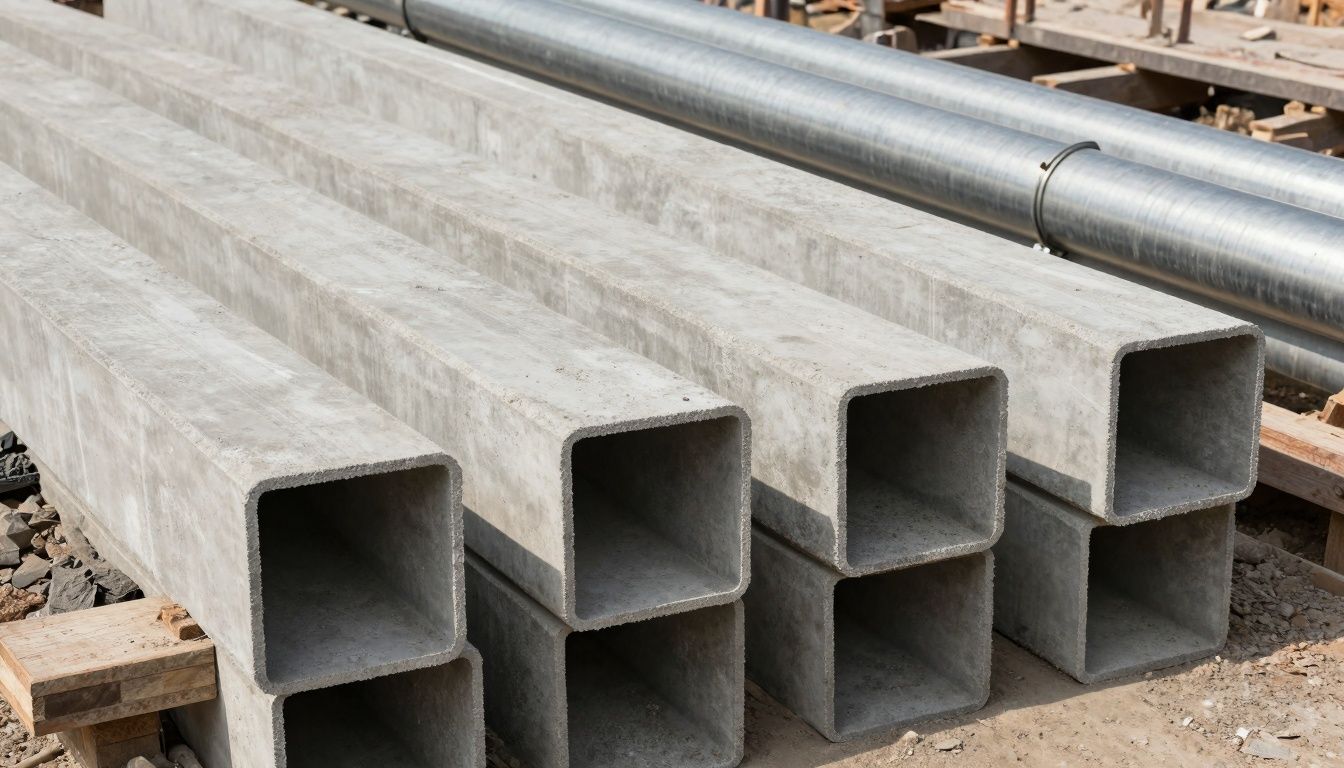
- What they do: Interlocking channel modules for surface water management in light to moderate traffic areas.
- How they work: Precast sections slot together onsite; grates often attached separately
- Where they are made: Typically imported or locally precast; variable quality.
- How they are made: Synthetic resins and fillers cast in moulds; subject to batch variability.
- Environmental impact: High embodied energy; non-recyclable, landfill at end of life.
- Installation process: Bulky, heavy lifting; joining usually requires adhesives or sealants.
- Features: Fixed sizes; limited detailing, prone to join cracking, less adaptable.
- Performance: Good in mild climates, less so in extreme (UV, chemicals, impact).
- Lifespan: 20–30 years; may deteriorate or crack, especially at joins.
- Pricing: Lower up front, but higher maintenance and replacement costs over time.
FAQs: Stainless Steel vs Polymer Concrete
- Which material is better for most applications?
Stainless steel by Paige Stainless is almost always superior for durability, performance, customization, and lifecycle cost, especially in commercial and civic contexts. - Can stainless steel by Paige Stainless meet Class D load ratings under AS 3996?
Yes—Paige Stainless channels are independently tested and certified for up to Class D and beyond, with design documentation and verification provided for project compliance. - How does slip resistance compare in wet areas?
Stainless steel grates are engineered for maximum slip resistance, including slip ratings to AS 4586 and features like heel guard and heel-safe profiles for pedestrian safety. - What are the maintenance requirements over a 10–20 year lifecycle?
Stainless channels require little more than periodic washing, with no need for sealing, patching, or major intervention—unlike polymer concrete which may crack, degrade or need periodic resurfacing. - Is stainless steel suitable for custom design like curves and architectural details?
Yes—Paige Stainless specializes in bespoke fabrication, allowing fully custom curves, radii, and seamless architectural integration to tight tolerances for signature projects.
Ready to specify Stainless Steel?
For technical guidance, project pricing or custom fabrication support—like curved drainage channels and systems—contact the Paige Stainless team to discuss compliant, Australian-made drainage solutions that outperform and outlast.
- Technical data and certifications available on request (AS 3996 load classes, slip resistance to AS 4586, accessibility to AS 1428.2, and sustainability credentials)